Mixing everyday funds and risky logins complicates recovery. Wallet security improves when exposure is limited to routine transaction needs and signing prompts are examined before authorization. Separate wallets, use device security and avoid unsolicited signing requests.
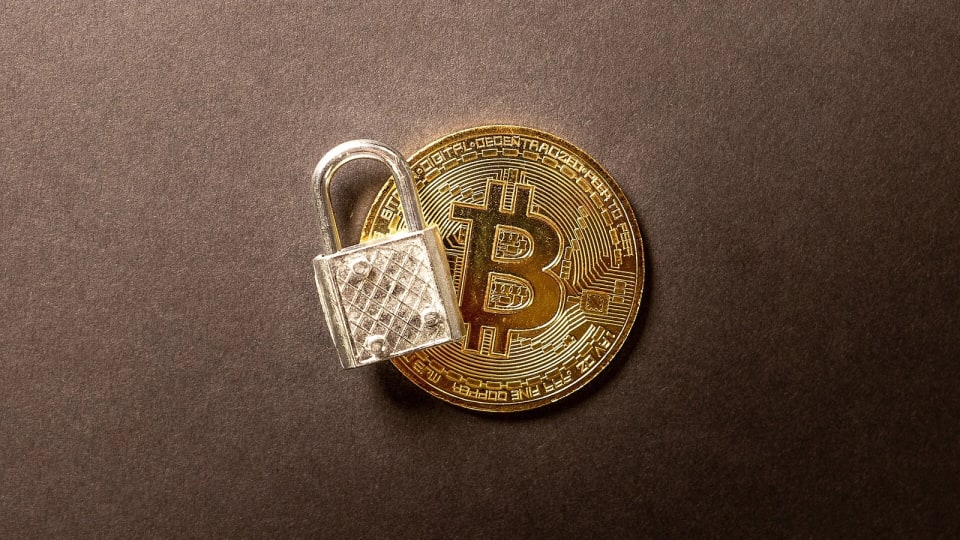
A photographed cryptocurrency security setting illustrates protecting wallet access.
An occasional wallet with too much exposure
Someone who uses crypto only occasionally for betting may keep all tokens in one wallet alongside ordinary savings and connect that wallet to unfamiliar websites. This is convenient until a phishing link, malicious approval or lost device exposes more assets than the intended payment.
Device, wallet and browser security layers
Wallet hygiene is less about elaborate hardware than about reducing unnecessary exposure. Separate long-term holdings from small transactional balances, maintain verified entry points and understand what a wallet approval authorizes. A signature that merely logs in is not always the same as a transaction or an unlimited spending approval. Device security, recovery storage and the habit of reading wallet prompts all contribute.
An exposure model for occasional crypto activity
A person who rarely sends cryptocurrency may be tempted to use a single wallet for long-term holdings, browser experiments and unfamiliar betting-payment pages. The convenience creates a shared point of failure. A malicious wallet approval, phishing link or compromised recovery phrase could affect funds unrelated to the small intended transaction. A more practical model distinguishes the balance needed for routine payments from assets that do not need to interact with new services. Separation does not make mistakes impossible, but it makes the consequences of one error more bounded.
Review three separate surfaces. The device needs supported security updates and a reliable unlock method. The wallet needs secure recovery storage, careful inspection of chain and recipient, and attention to the difference between a one-time transfer and an open-ended approval. The browser or application needs a verified distribution path and exact domain identity; a logo on a copied page is not sufficient. When the wallet shows a signing request, inspect the action, destination and amount before confirming. A supposed support agent should never need a seed phrase to diagnose an ordinary account-crediting problem.
Where self-custody is used, test that the recovery process is understood before funds become inaccessible. A screenshot of a recovery phrase synchronized to a cloud account can broaden exposure in exchange for convenience. Recovery depends on the custody model; custody differences between an exchange and a private wallet clarifies which party controls access and authorization. Likewise, a hardware wallet still requires the owner to read the correct transaction details on its confirmation screen. The security plan should match the user's actual technical confidence and transaction frequency, with a limited-use balance for unfamiliar workflows. Wallet security and bookmaker trustworthiness remain different questions.
Habits that reduce crypto payment risk
- Keep a limited-use wallet for routine online transactions where practical, with only the amount intended for near-term activity.
- Verify the destination domain and application before connecting or signing. A link in a social comment is not an authenticated entry point.
- Read transaction and token-approval prompts carefully, including destination, chain, spender and any spending limit.
- Keep recovery material offline and never send it to customer support. Update devices and applications through trusted channels.
Why open-ended approvals are dangerous
A misleading assumption is that an approval is harmless because it does not move coins immediately. Some approvals authorize later transfers. Another is storing recovery phrases in screenshots synchronized to multiple cloud accounts; convenience can increase the number of places a secret can leak.
Wallet hygiene does not certify an operator
Security measures are most effective when they reduce the value exposed to one compromised app or website. A separate transactional wallet cannot cure careless signing, but it limits the consequences.
Limit exposure before signing
A small exposure boundary and a verified signing routine protect more than an impressive-looking wallet interface. Security of the wallet, credibility of the betting site and withdrawal rules should be assessed separately.
For a broader bookmaker and app-safety review, consult https://4xbetnet.com/. Cash Deposits Through an Agent: Proof to Keep at the Counter.
#CryptoPayments #WalletHygiene #Verification